PHOTOGRAPHS
HEAD LINES: DETROIT PHOTOGRAPHS
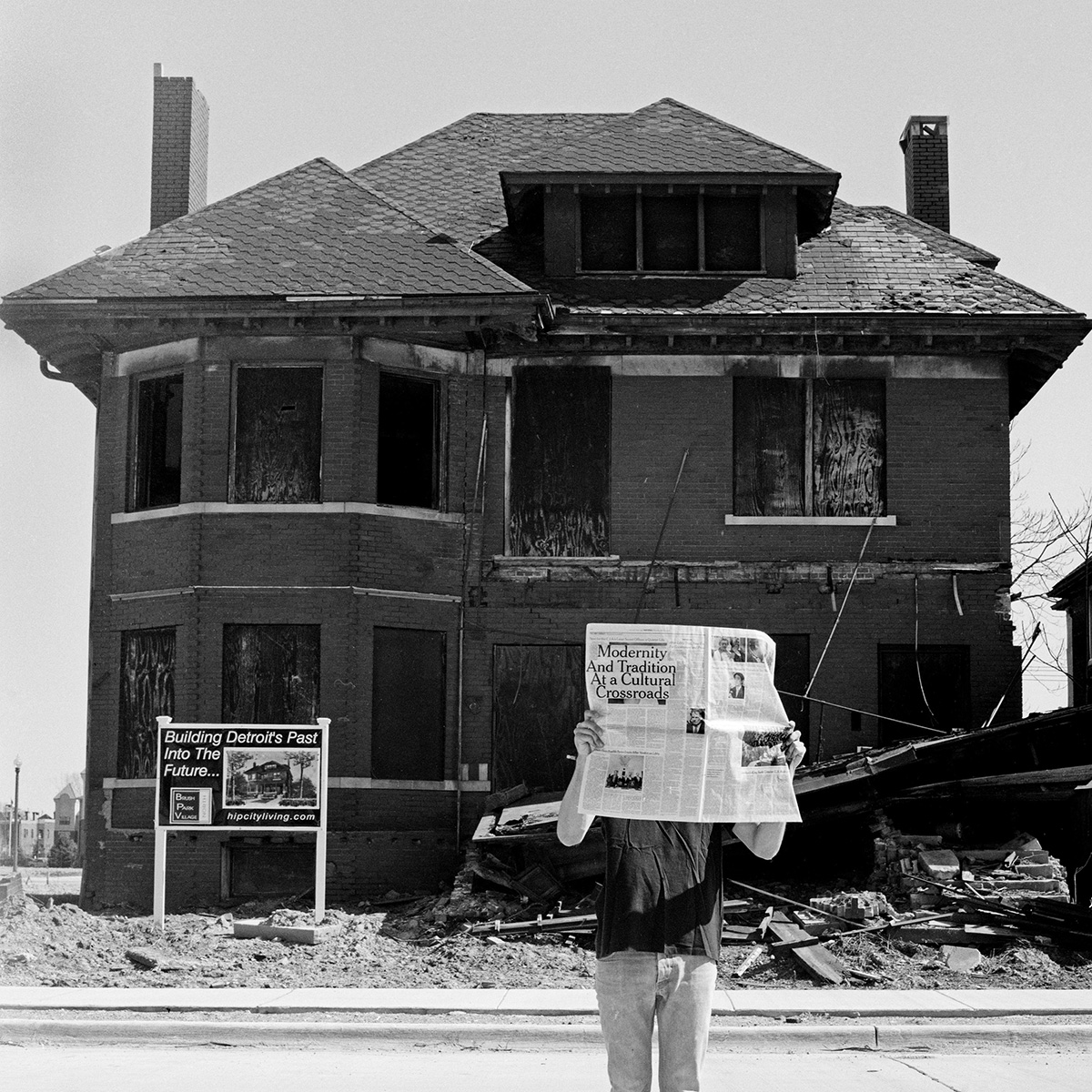
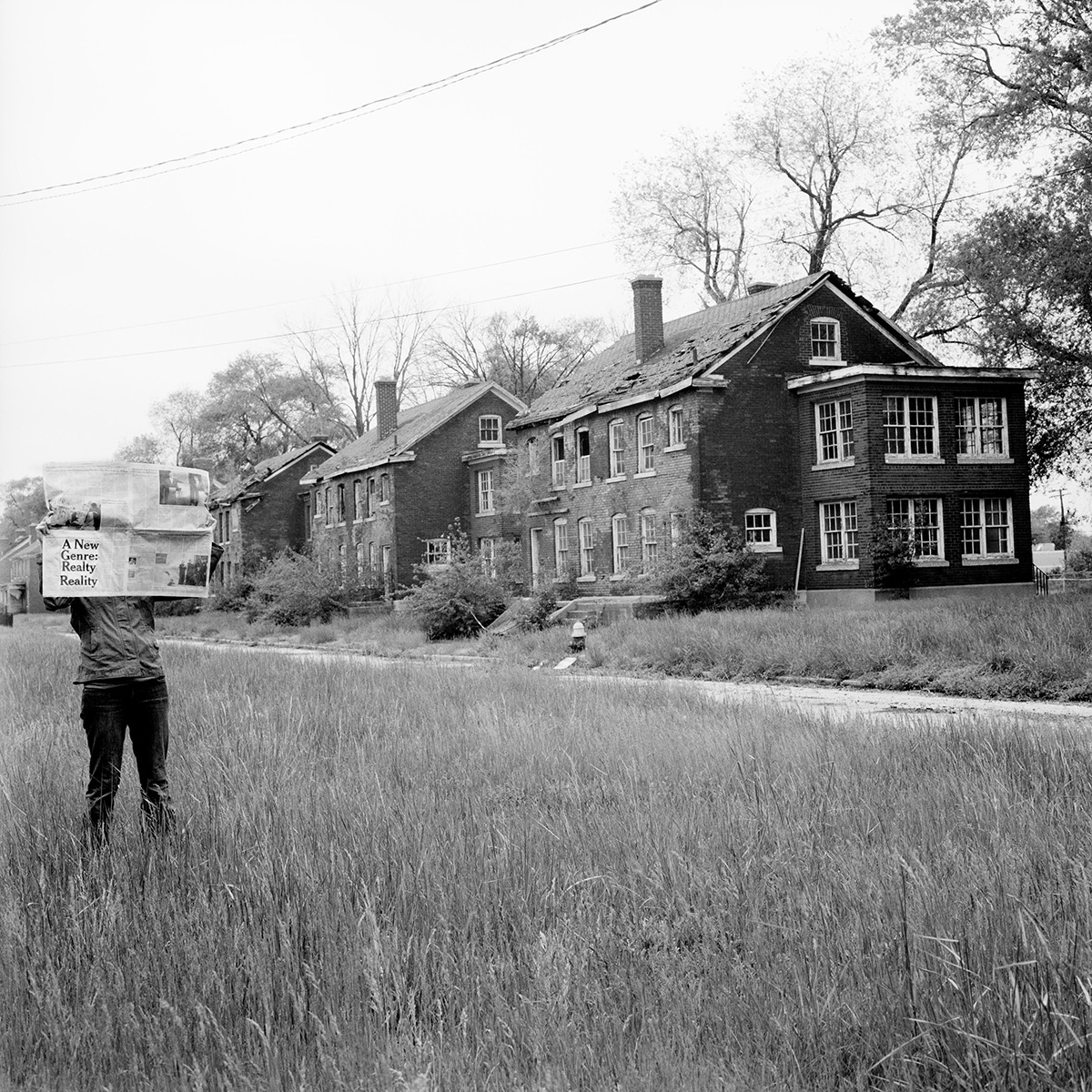
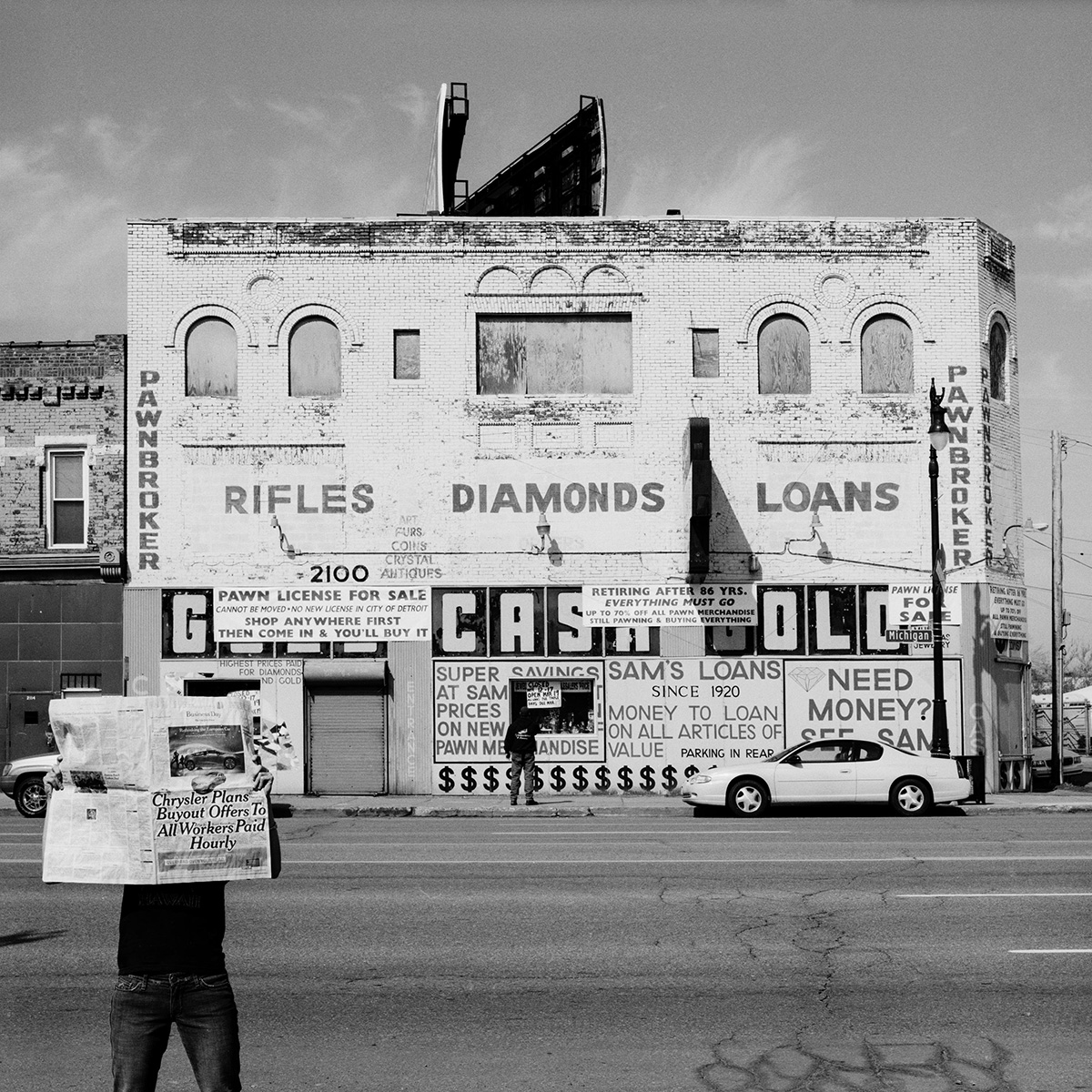
In 2007 Detroit was an extreme example of an American town with a declining industrial economy. As the auto industry steadily cuts back jobs and production in Detroit, residents continue to abandon the city and the downtown is laid to waste.
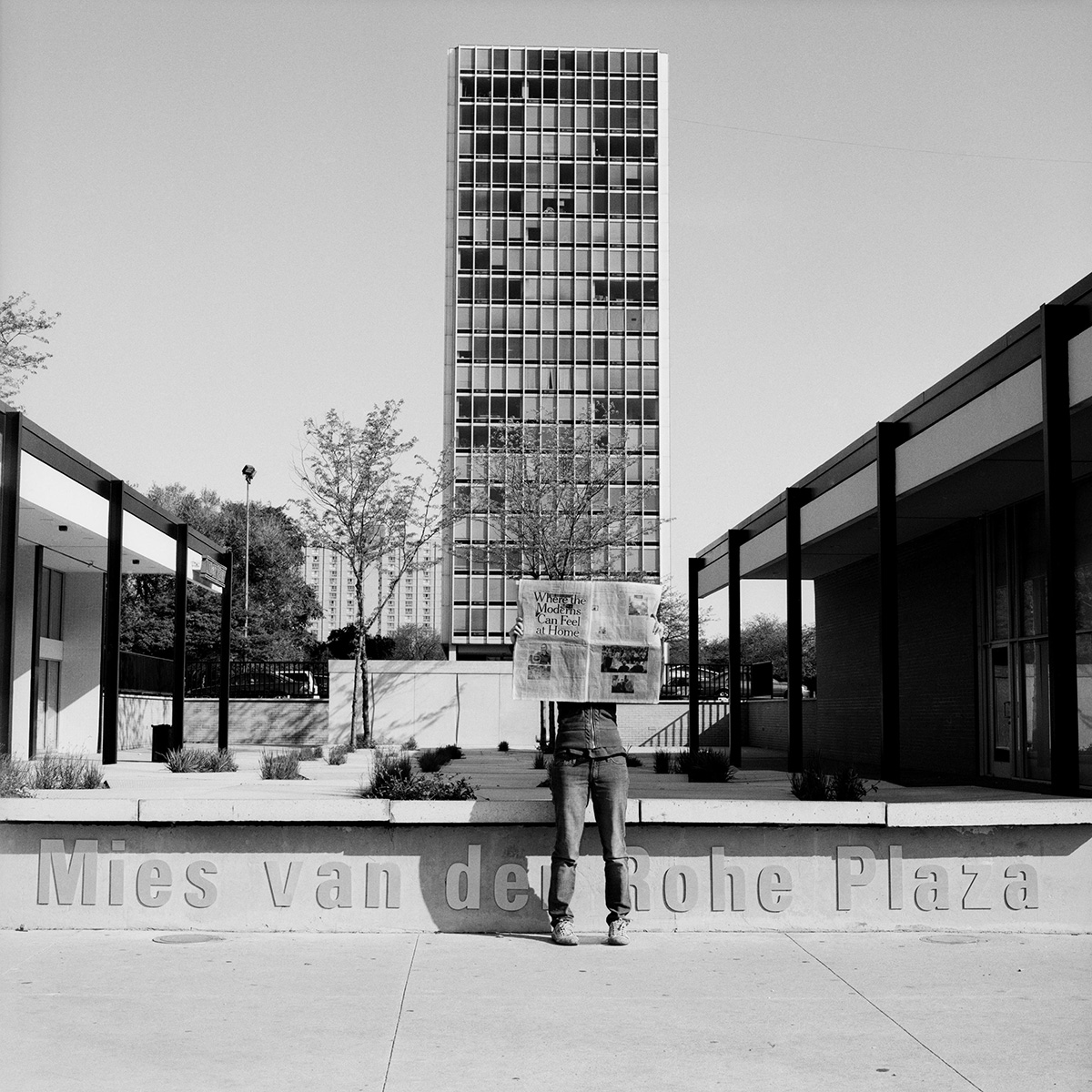
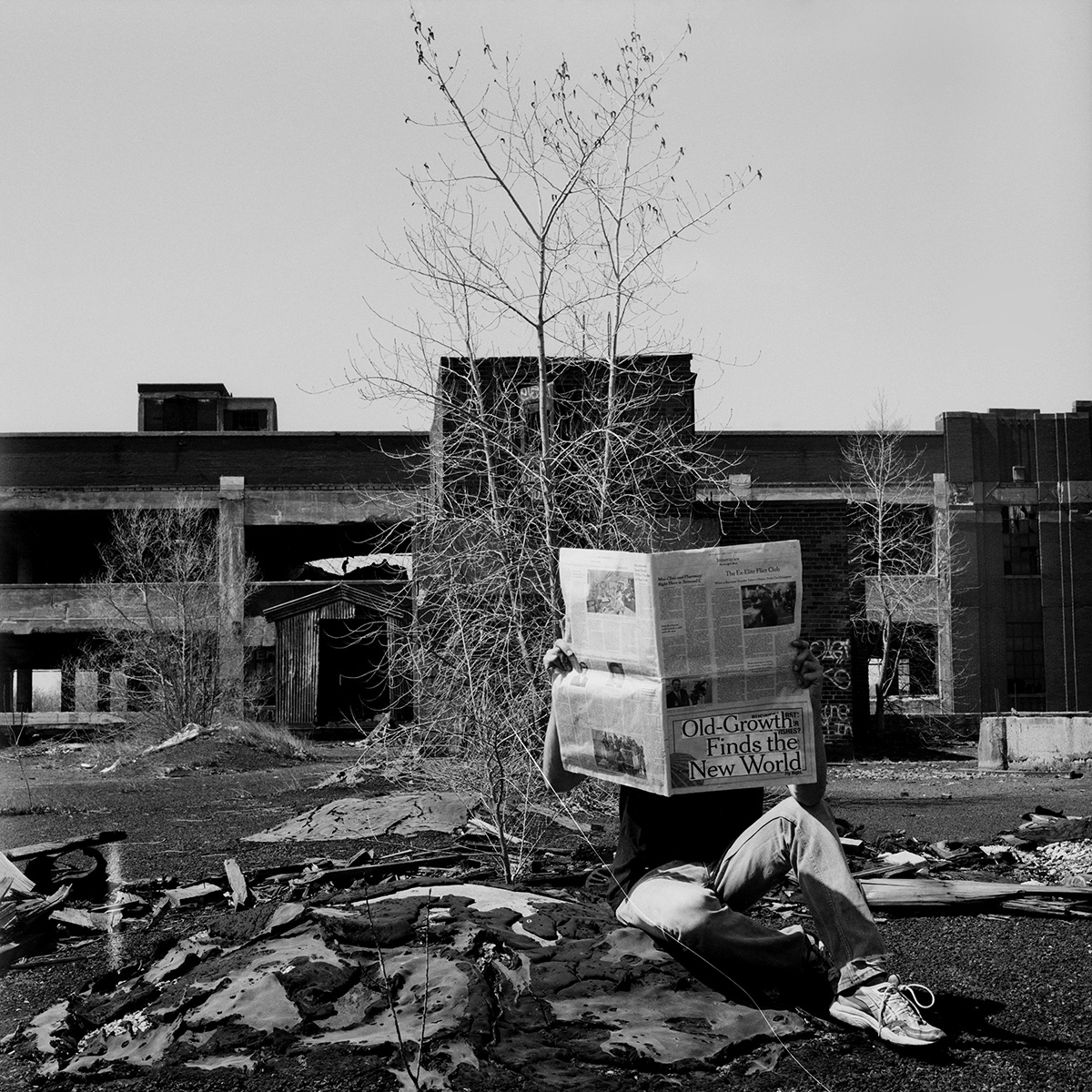
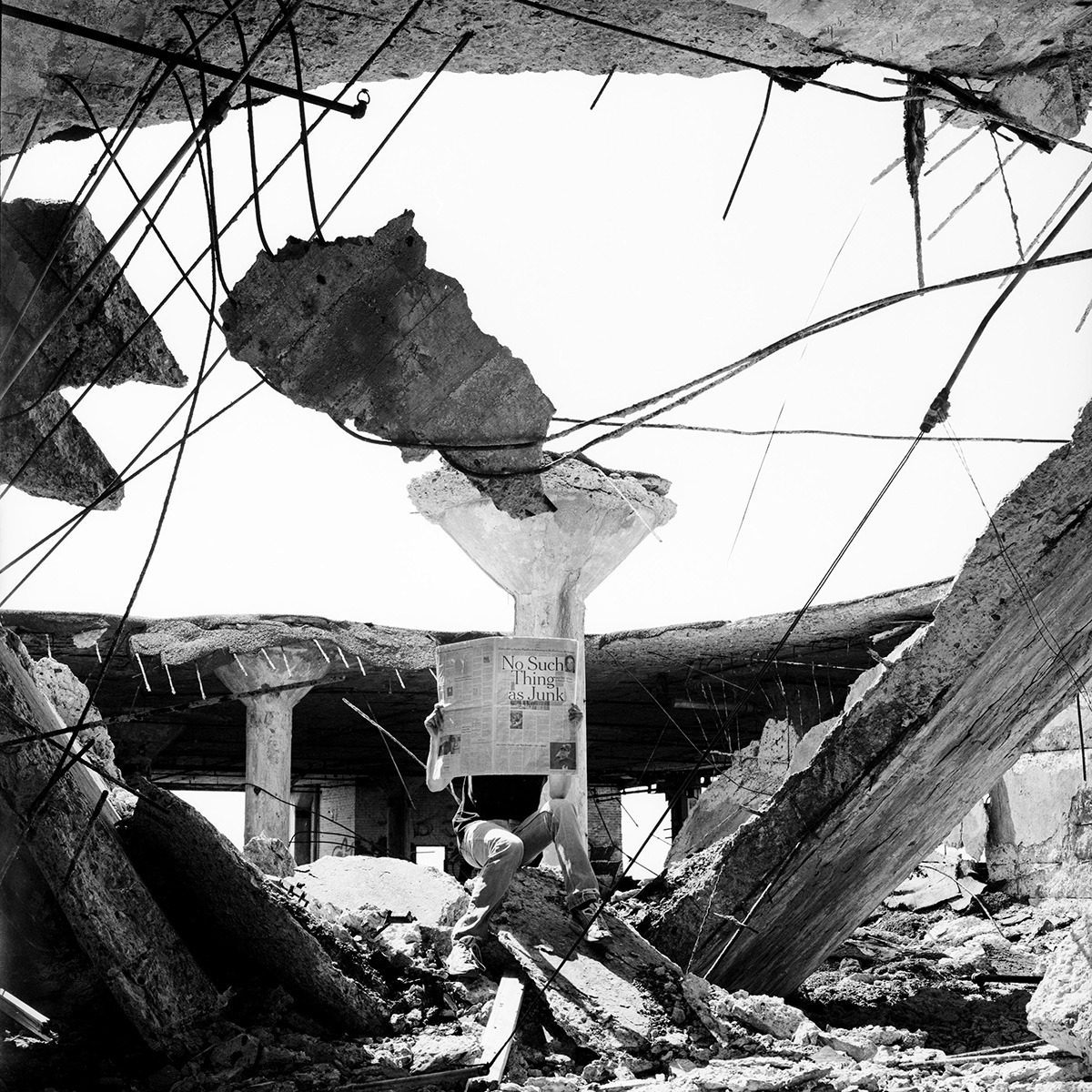
Metropolitan Detroit includes Neo-Classical, Neo-Renaissance, and Art Deco buildings, some designed by prominent American architects and urban planners such as Albert Kahn, Frederick Olmsted and Daniel Burnham. But many buildings forming the pre-depression era's glittering skyline now sit vacant. At best they are destroyed to make way for a fledgling tourist economy comprised of gambling and sports complexes. Others are reconquered by nature; trees and weeds growing through the cracks, while the rest become makeshift habitats for Detroit's increasing homeless communities.
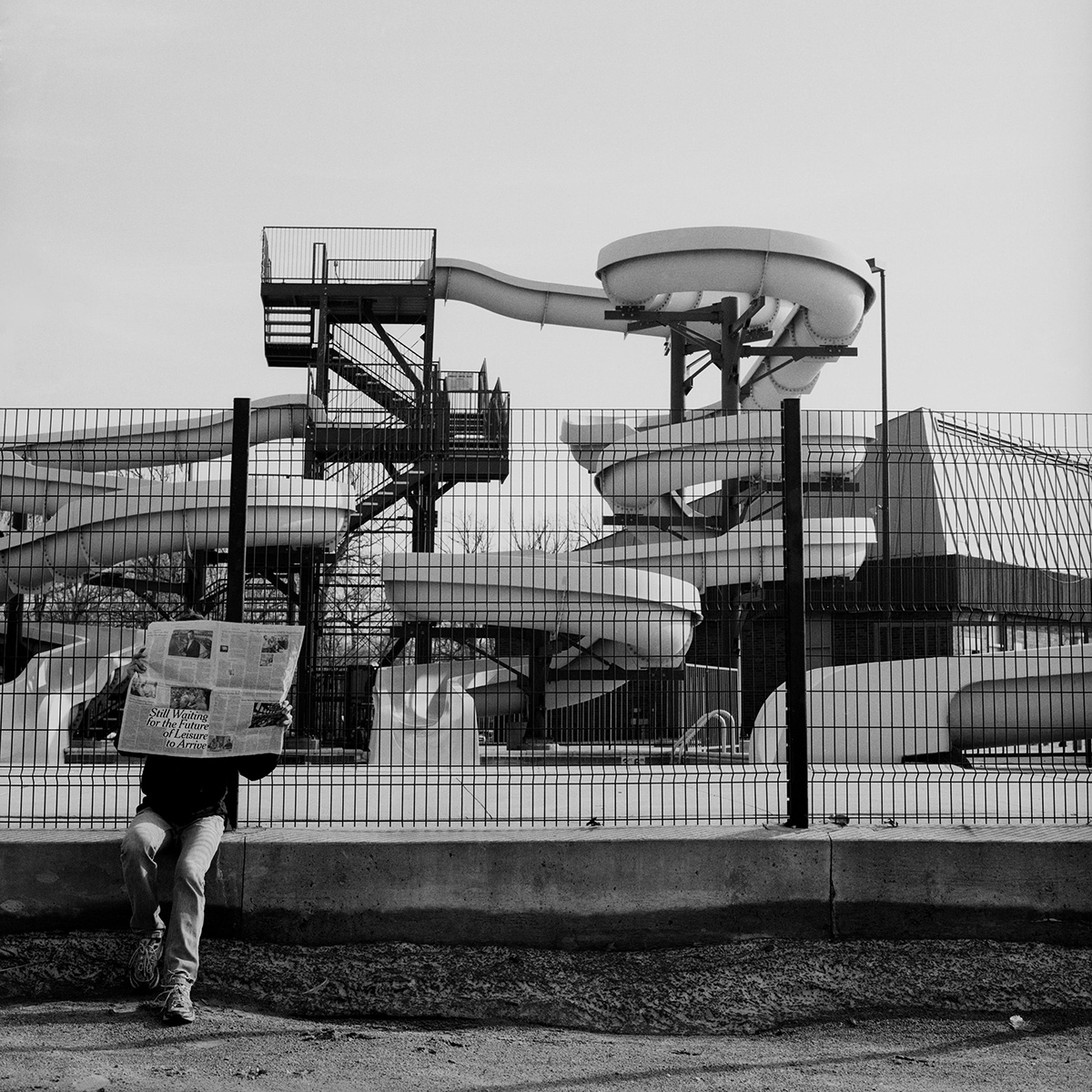
A depressing economic reality is at the forefront of everyday life in Detroit. Poverty and hardship is ever-present in the news covered by local media as it is visible in the lifestyles of Detroit's lower and middle classes. The deteriorating city structure and the calm of street life are eerie ruins of the city's momentary prosperity. Meanwhile, the obvious shortage of basic social services for employed and unemployed residents, and the state and city governments' lack of public funds highlights the all too obvious fact that Detroit's once prosperous auto industry is being left out of an increasingly global service-based economy.
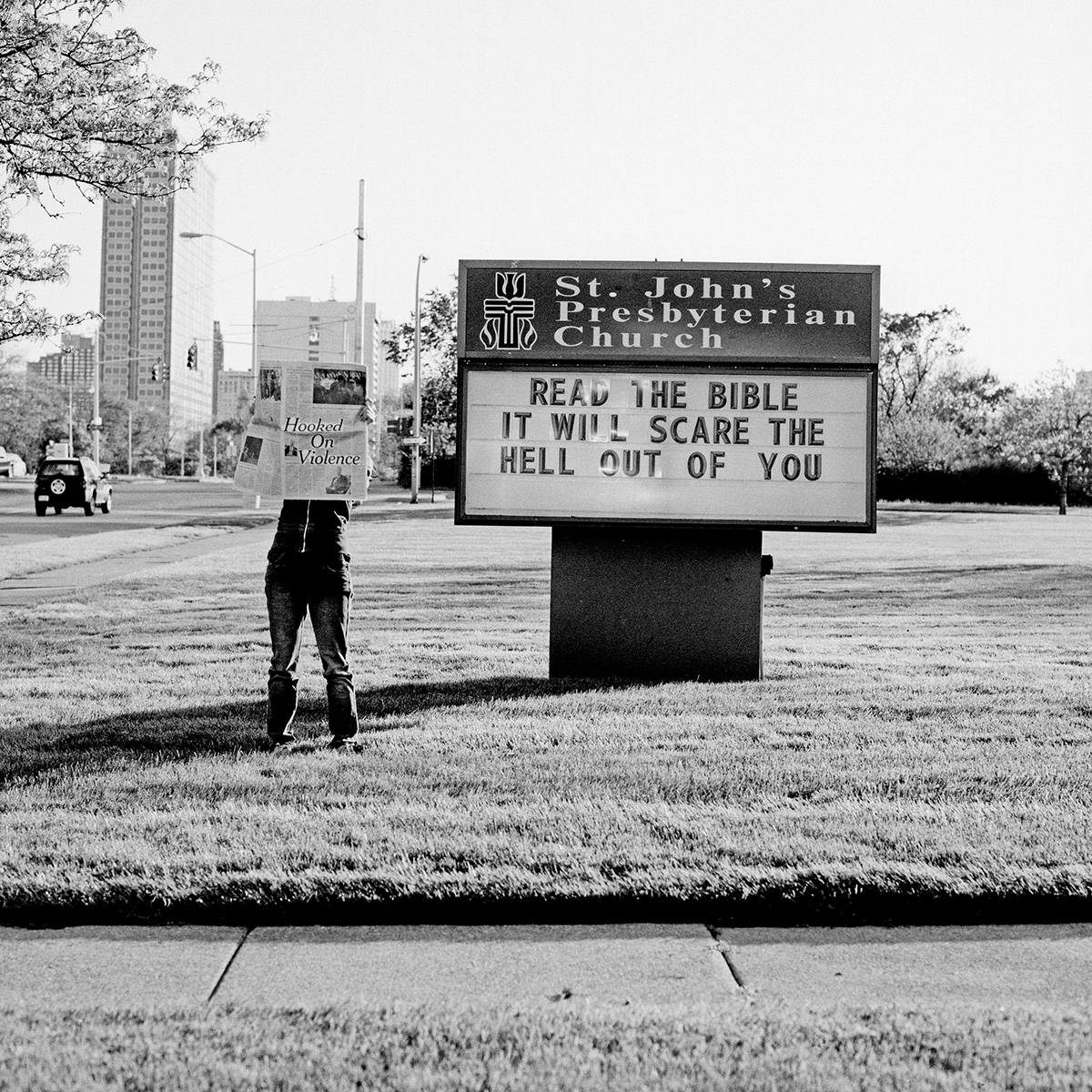
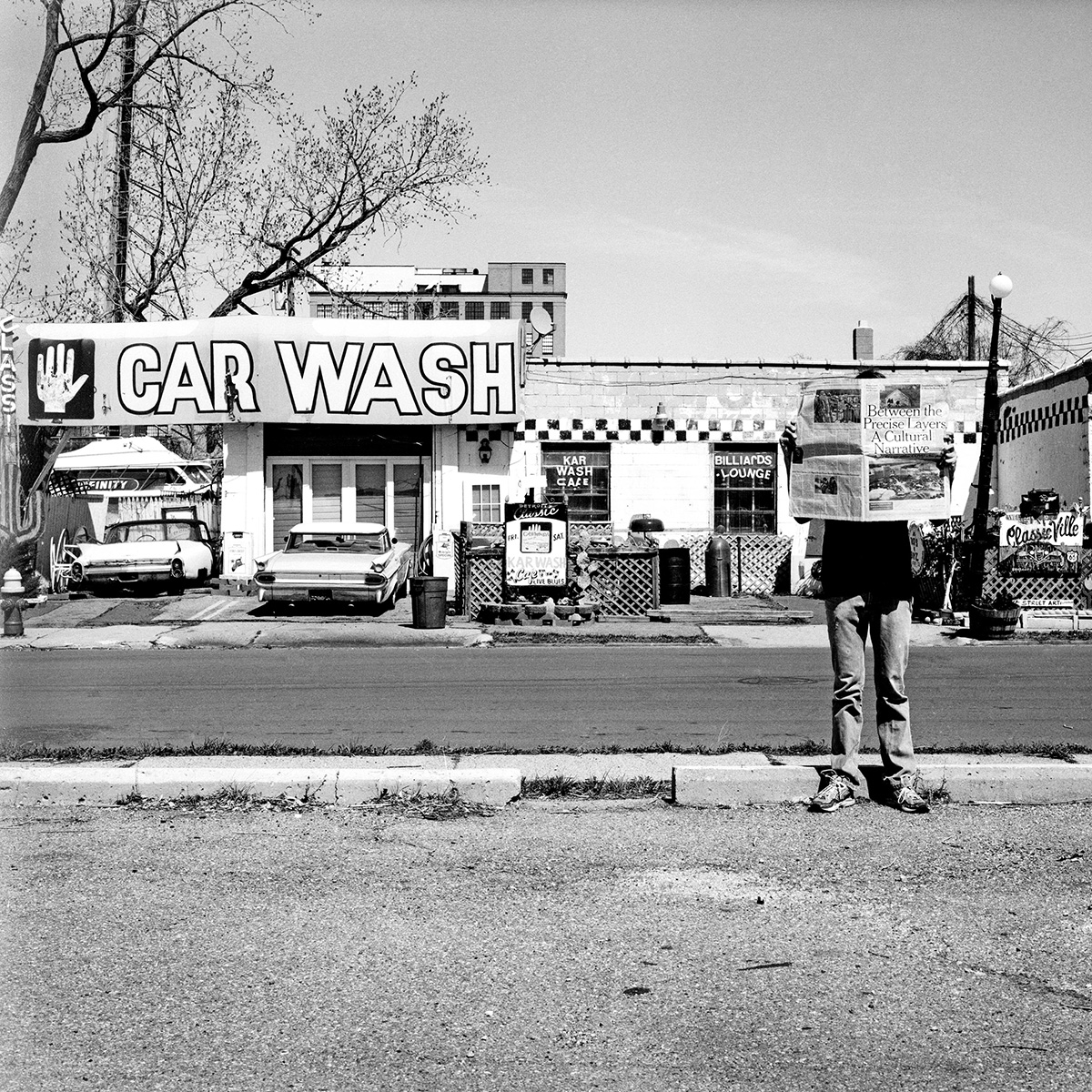
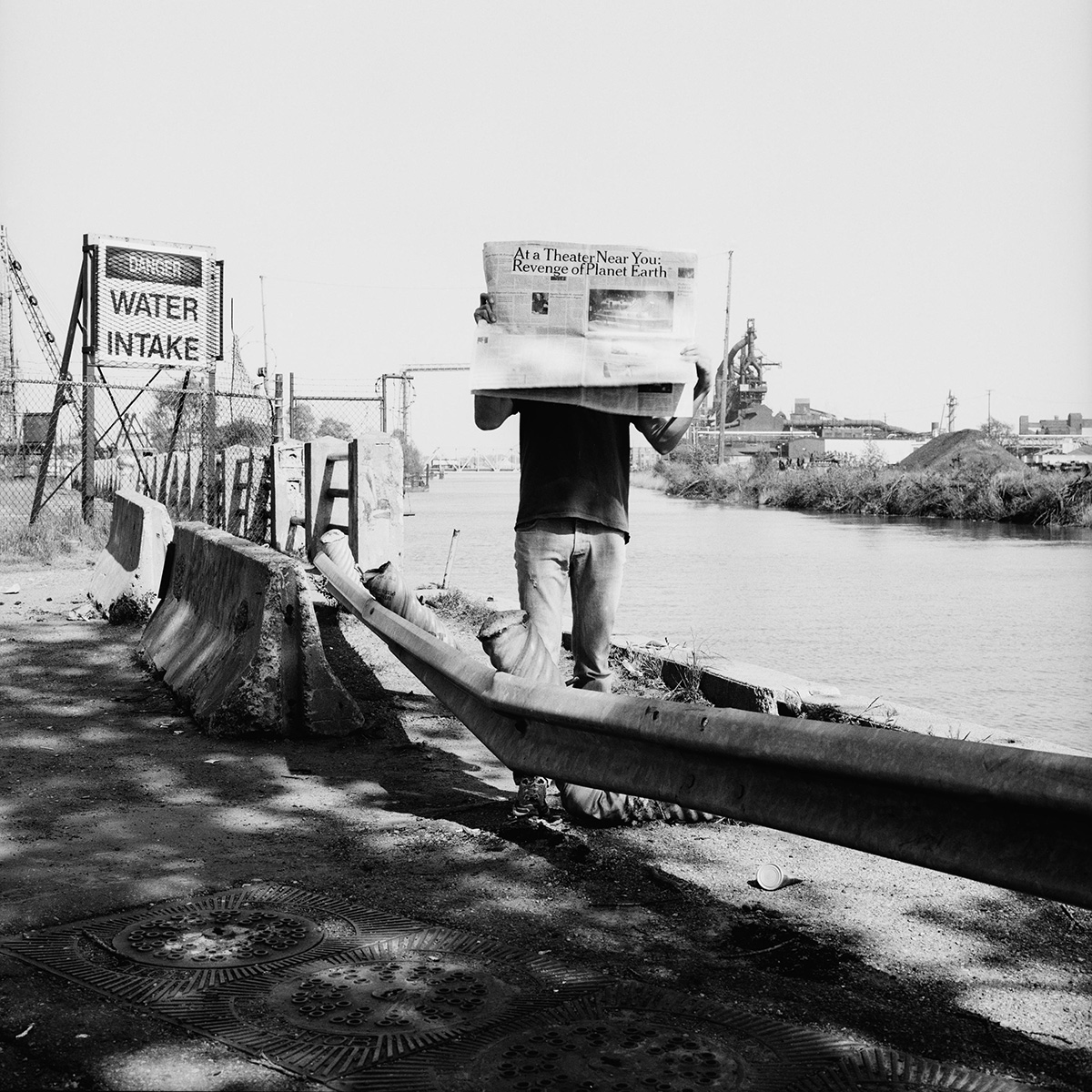
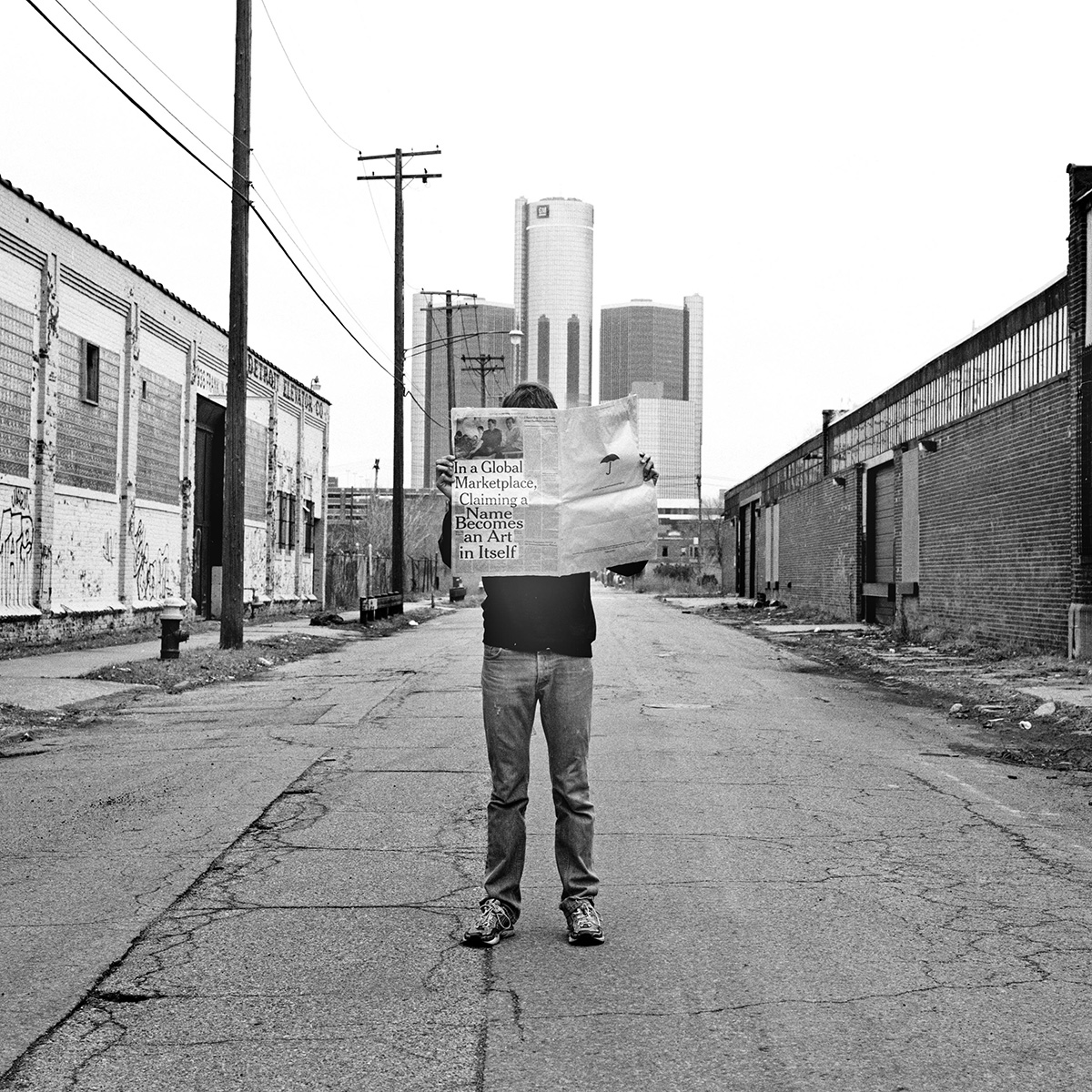
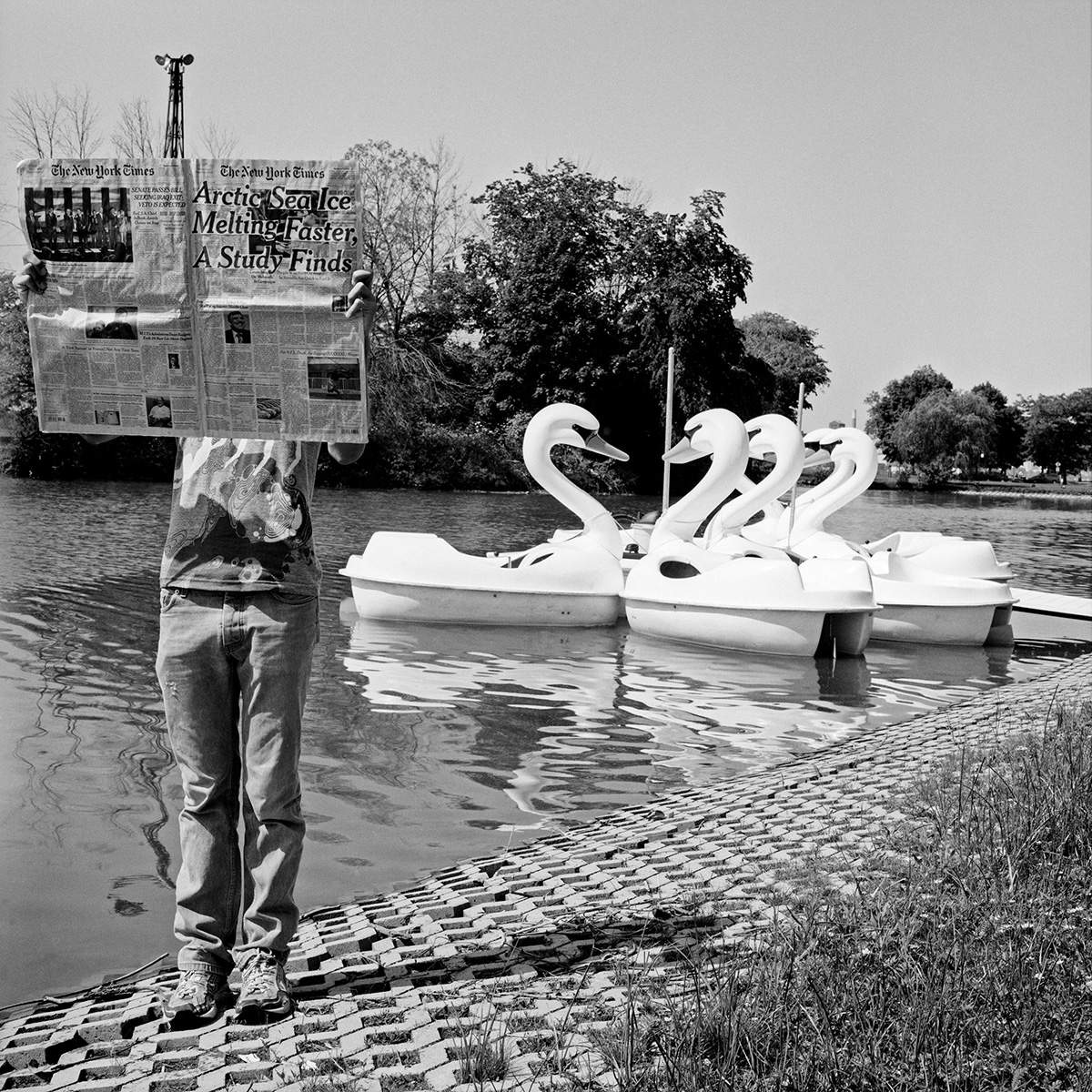
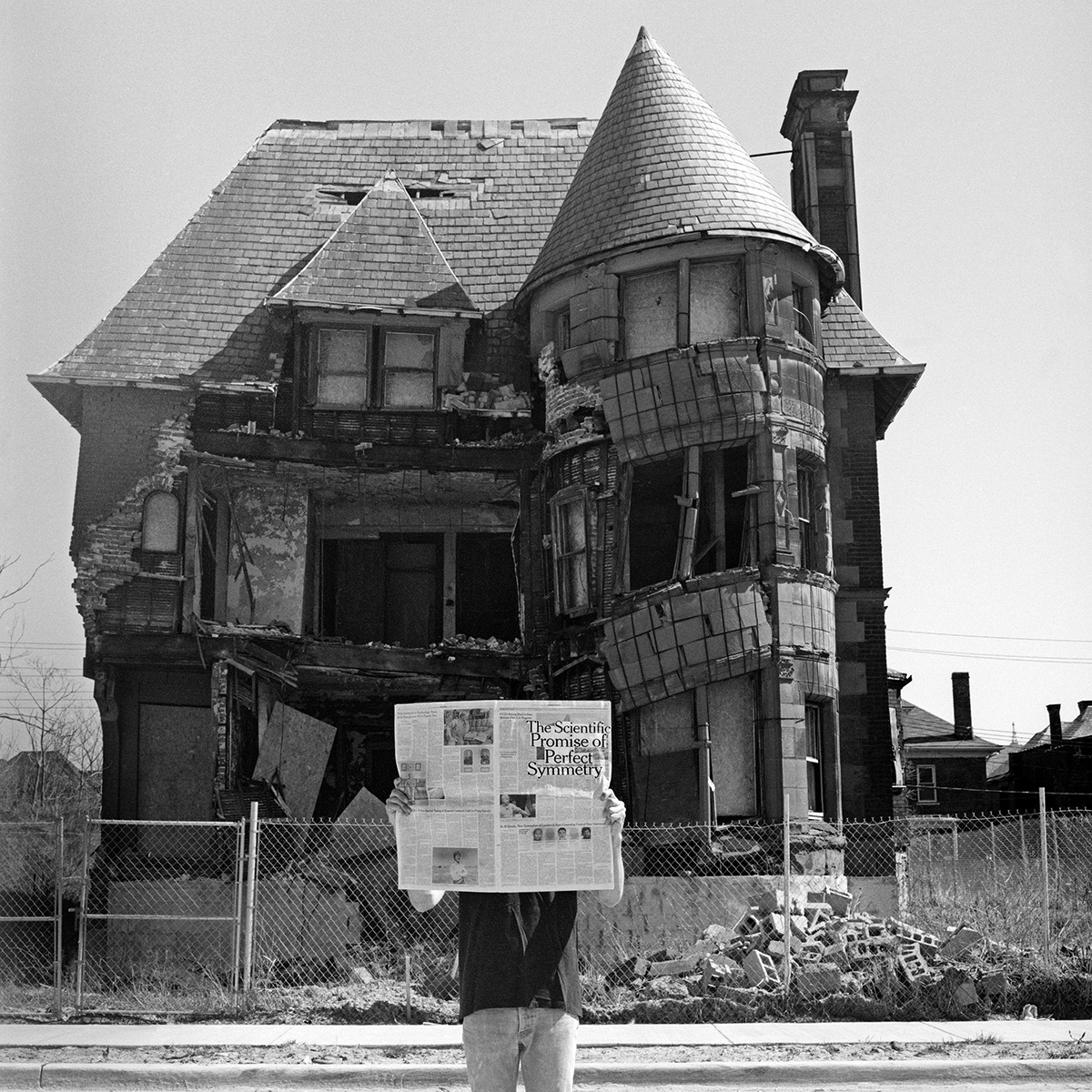
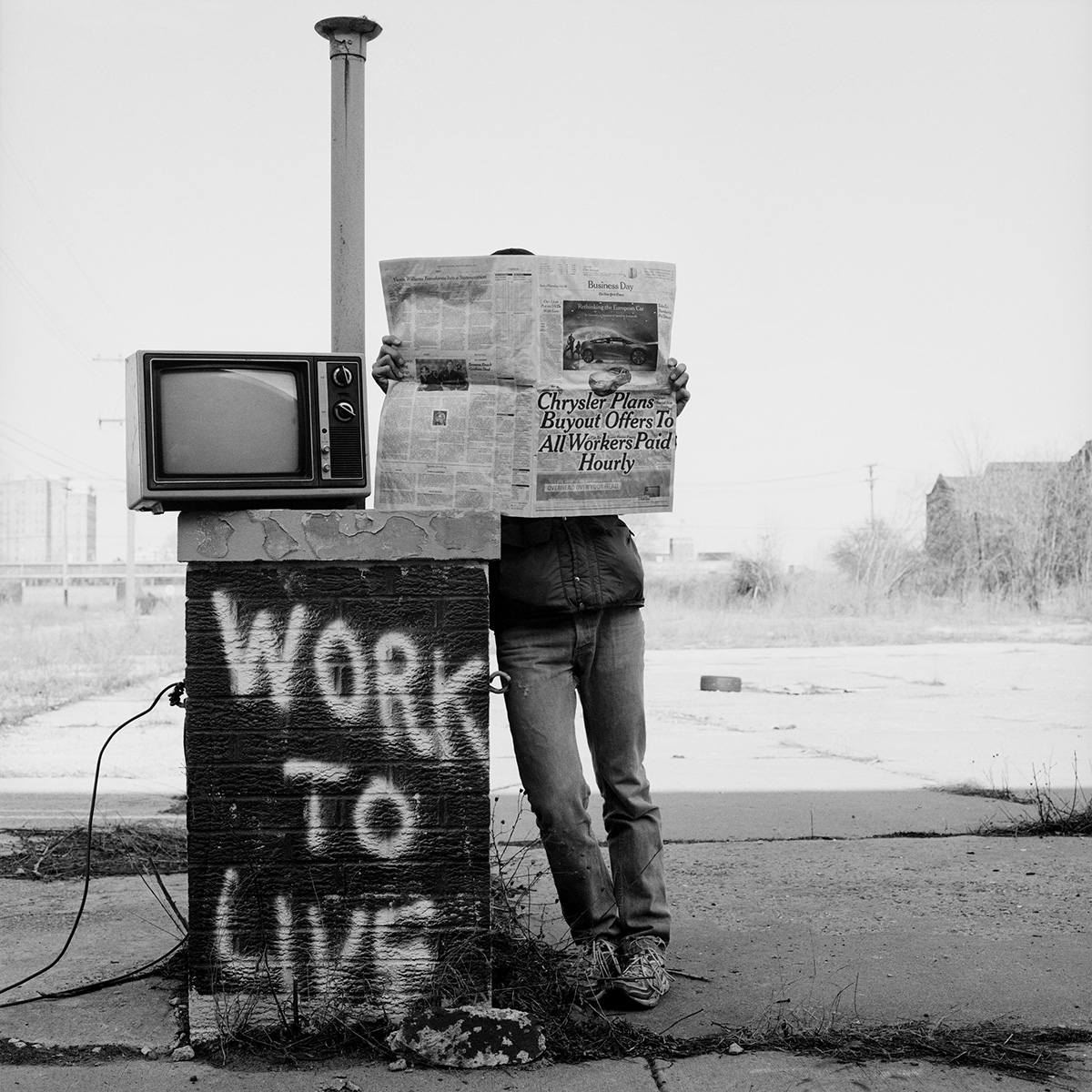
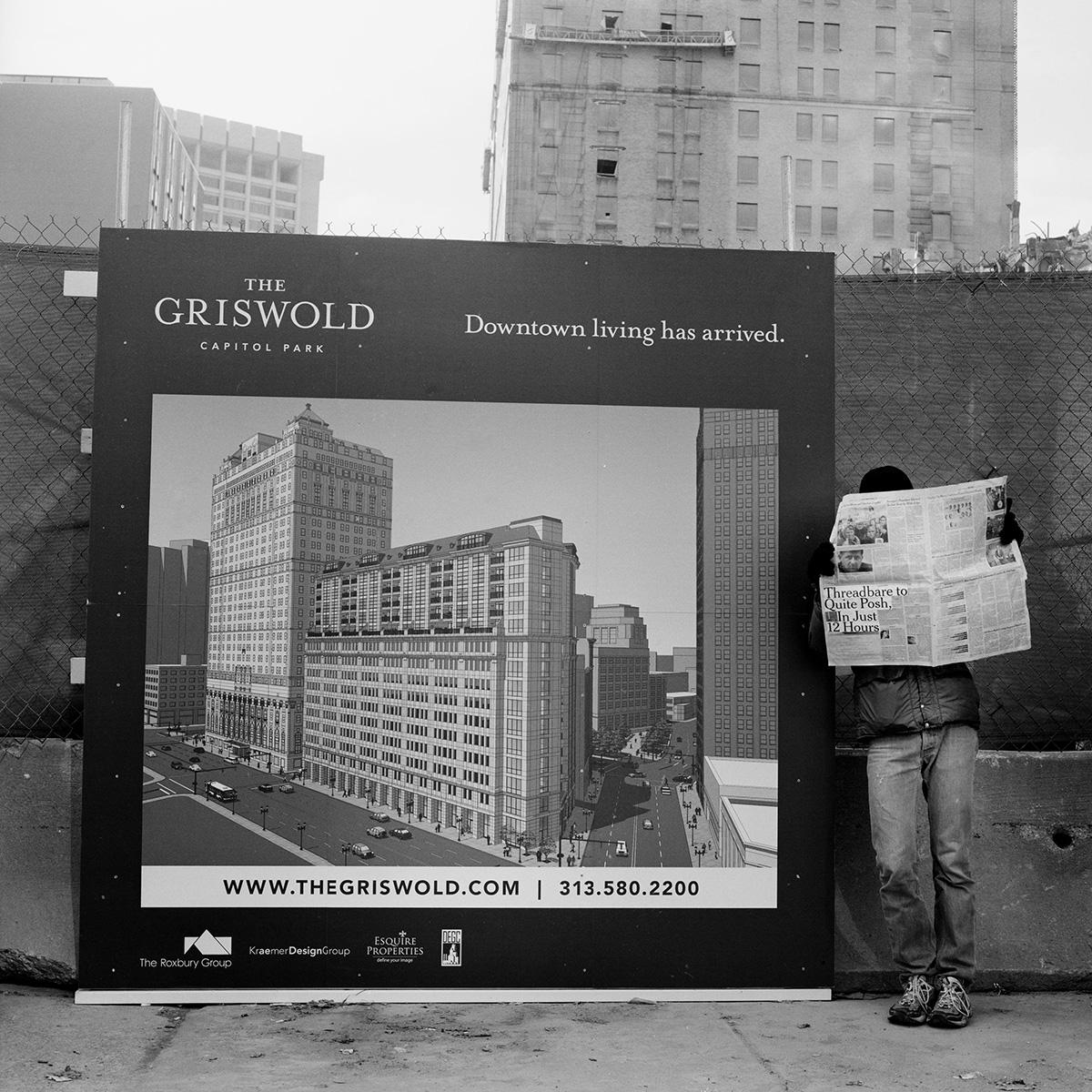
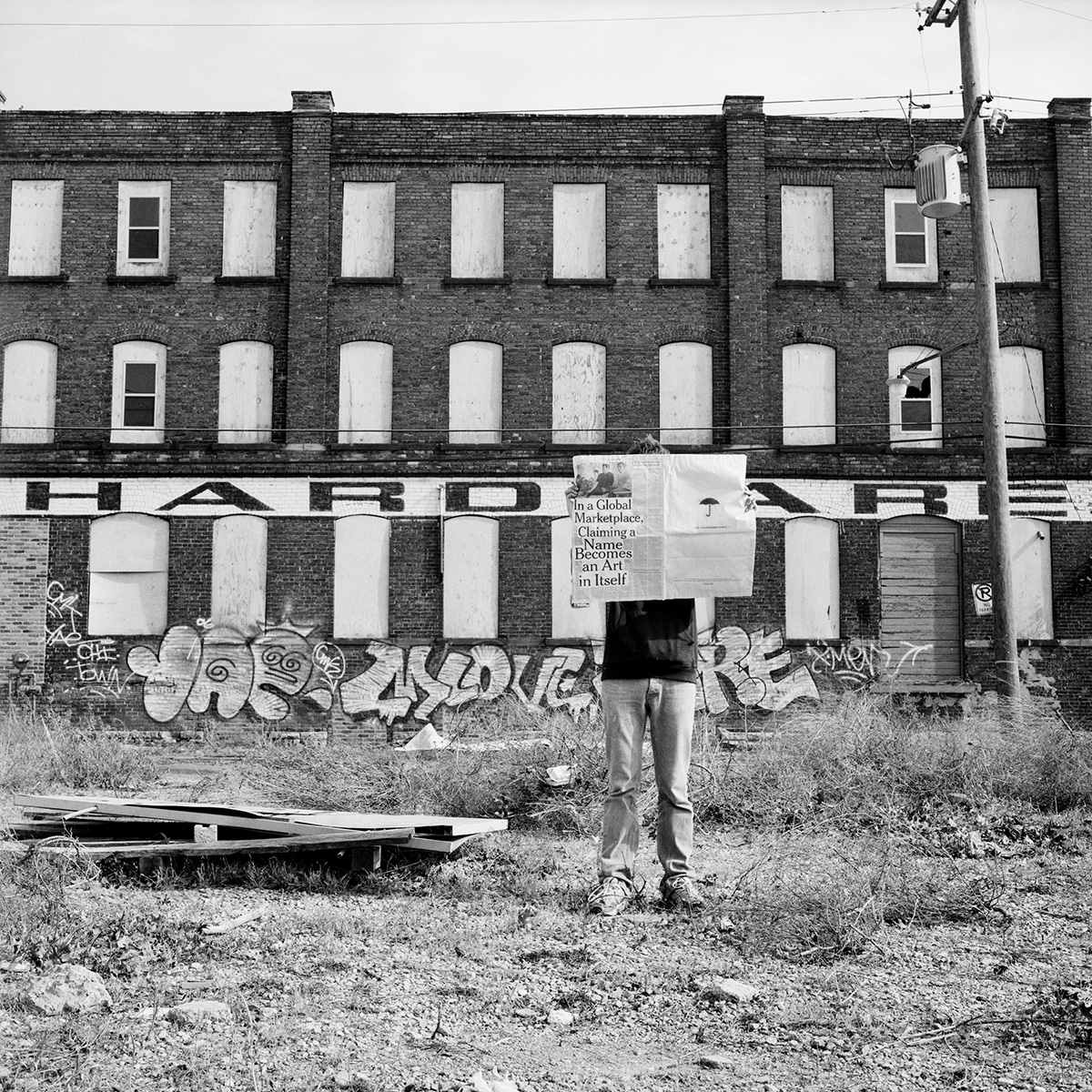
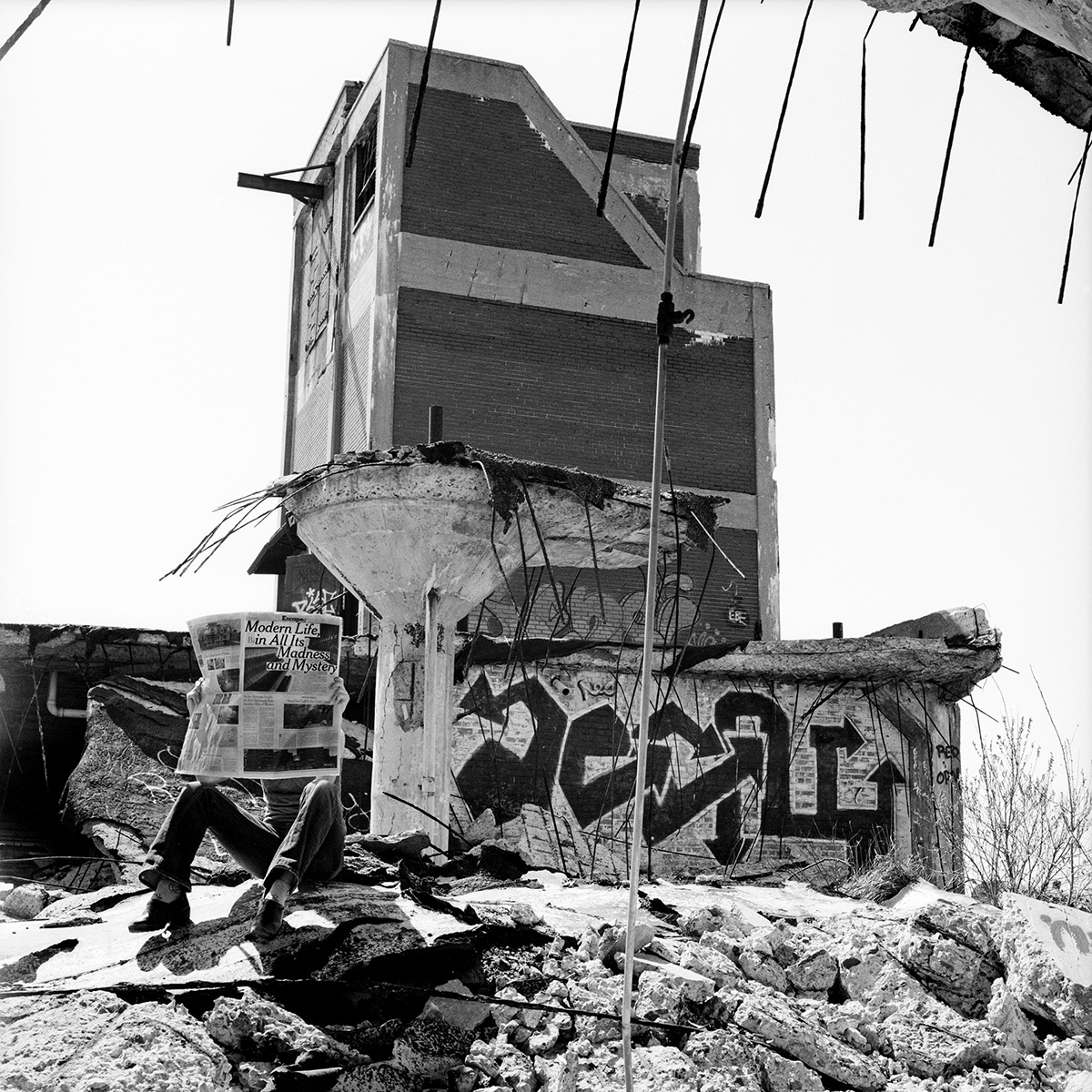
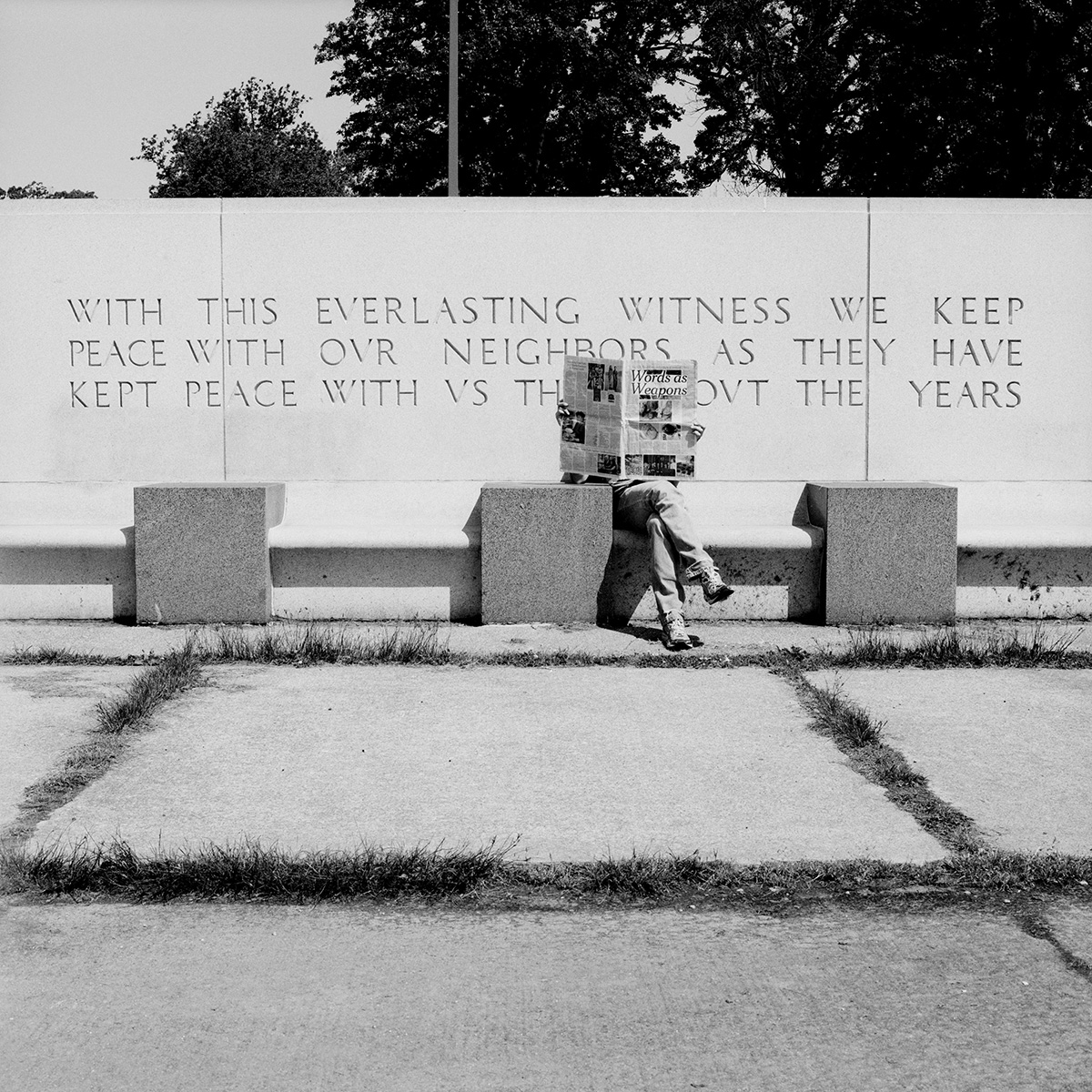
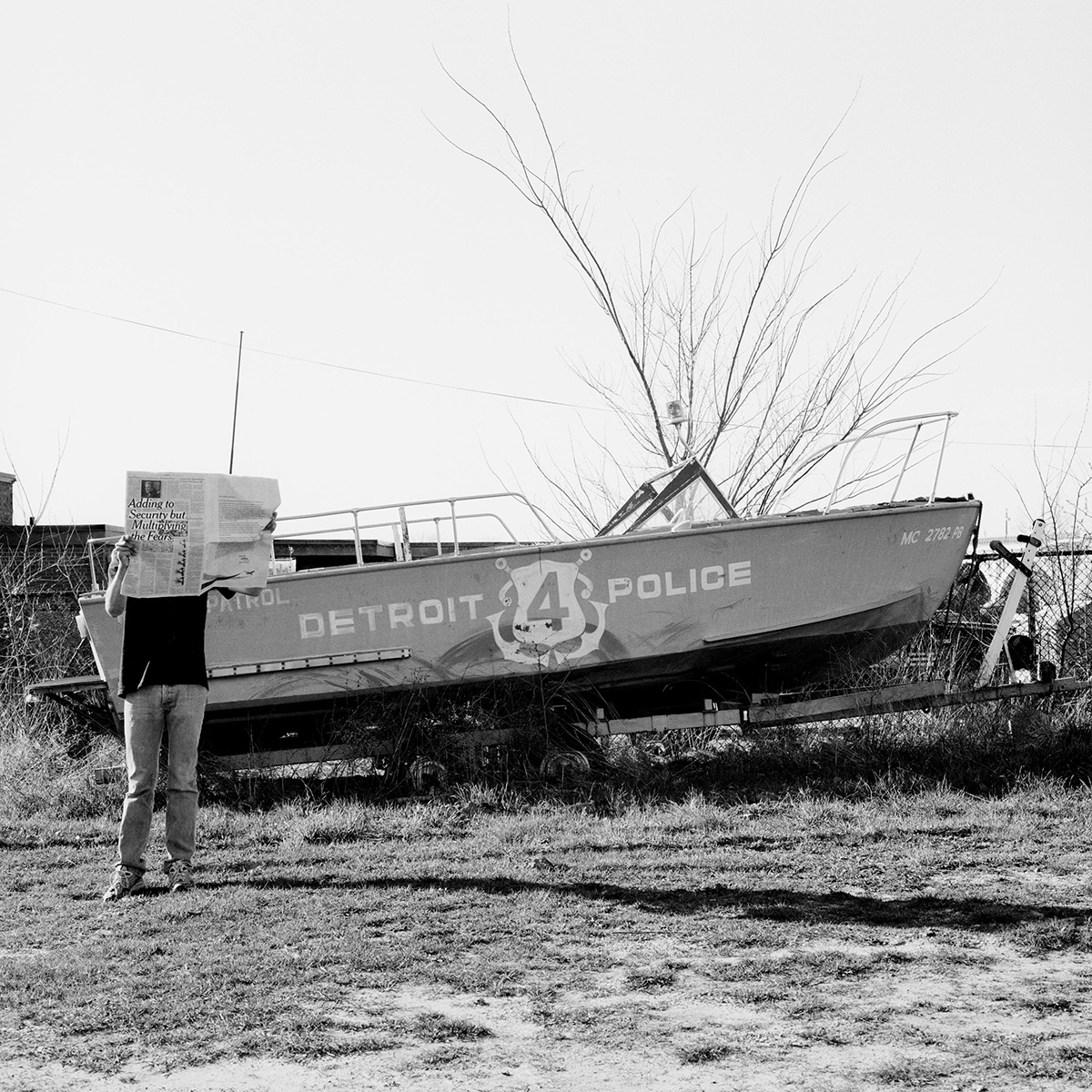
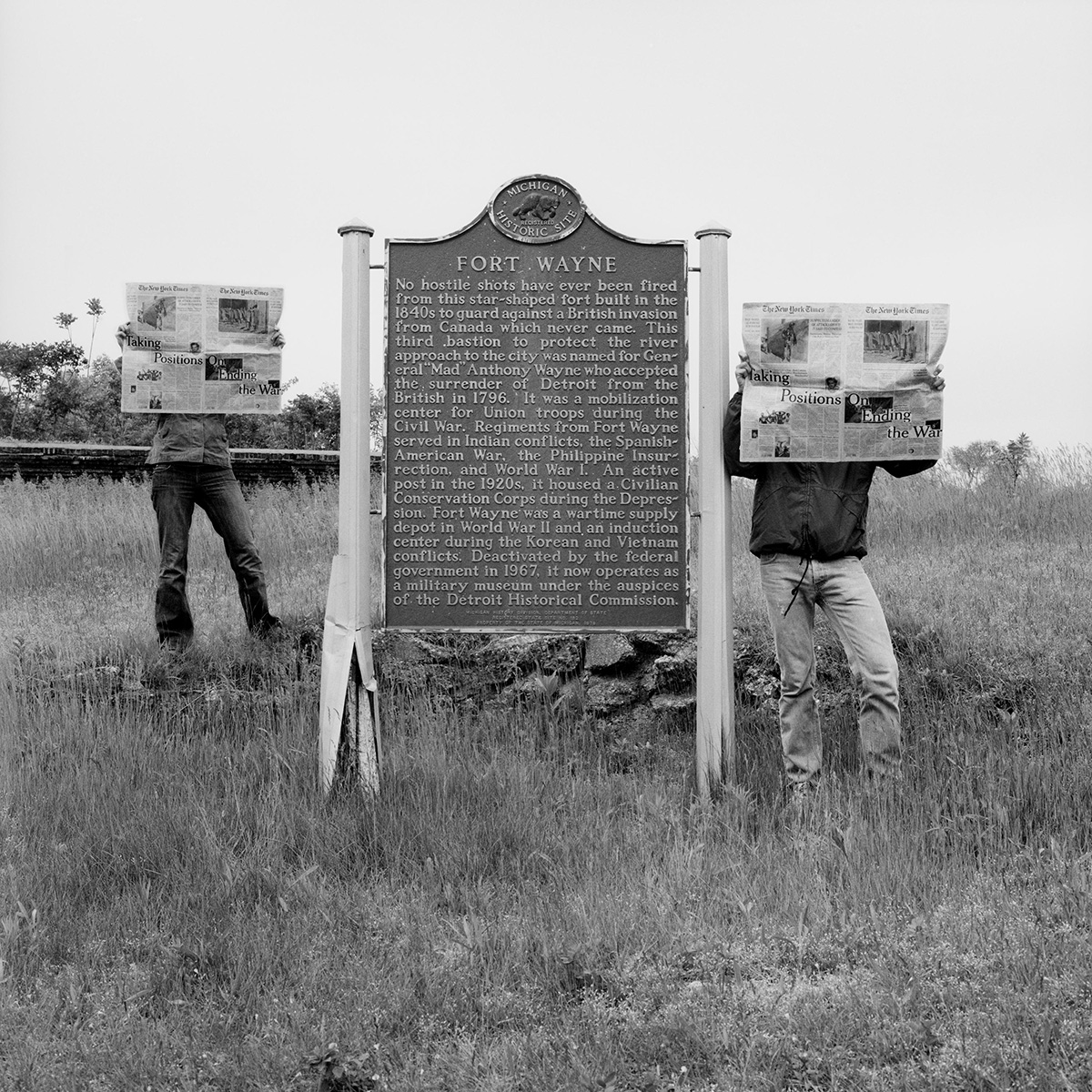
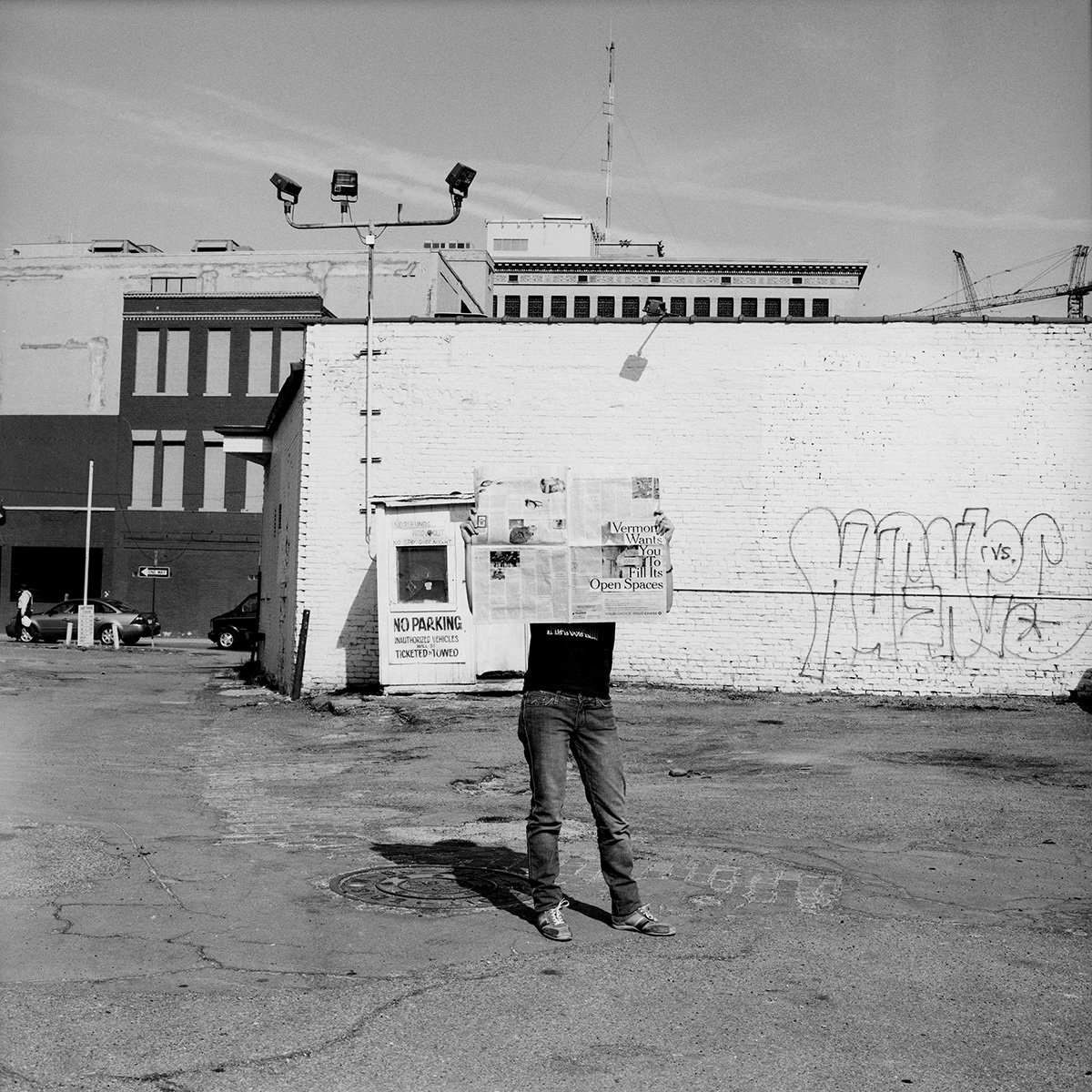
This is a series of photographs I took when I was living in Detroit (2006-7). The headlines from the New York Times newspaper seemed to me otherworldly and irrelevant with Detroit as their backdrop. The New York Times pictured a global spectacle of affluence and financial opportunity (even while reporting wartime atrocities) that was incongruous to the cityscape surrounding me. It became interesting to place the news texts and this environment, side by side in the virtual site of the photographic image.
When events are reported and become news
, they must be translated into the language of the news
thus participating in a continuous process of mediation- significant negotiations of language and word definitions- creating a news
vocabulary. I became interested in the language of the headlines, often not written by reporters but by the editors. Headlines usually have less to do with the day's news as they do attracting readership. As advertisements for news stories, headlines prey on an assumed audience. By studying the wording of the headlines, I parse the dominant ideology reinforced by the language of the news headline all the while understanding how this mediation lessens the impact of lived events.